
Strategic sector · Construction
Building transforms.
Prevention sustains that progress.
Construction enables infrastructure, industrial expansion, logistics, workplaces and the development of new projects. Sur Compliance supports that process with technical presence, preventive coordination and operational control.
A key activity
Construction does more than build structures. It drives development.
Constructionturns growth into reality: it creates infrastructure, expands production capacity, connects operations and turns planning into a tangible asset for economic and social activity.
At the same time, it is an activity withhigh operational demands. Multiple trades, equipment, work at height, excavations, lifting operations and simultaneous tasks coexist. Prevention must evolve with the project.
It makes real projects possible
Civil works, industrial expansions, logistics centers, buildings, assembly work and infrastructure become operational capacity.
Every stage changes the scenario
Today’s earthworks may become tomorrow’s structures, lifting operations, installations or finishing work. Risk is never static.
Safety sustains continuity
Organizing conditions, contractors and requirements helps protect people, schedules, documentation and overall project performance.

Coordinated construction
A safe worksite is built through planning, presence and monitoring.
Sur Compliance integrates prevention into the project’s real dynamics to anticipate deviations, coordinate stakeholders and support field decisions.

Technical assessment of the work front

Prevention applied to operations
A worksite in motion
Prevention must also move with the project.
Operations, equipment, traffic and people coexist in an ever-changing environment. Field monitoring therefore needs to be visible, timely and close to the task.
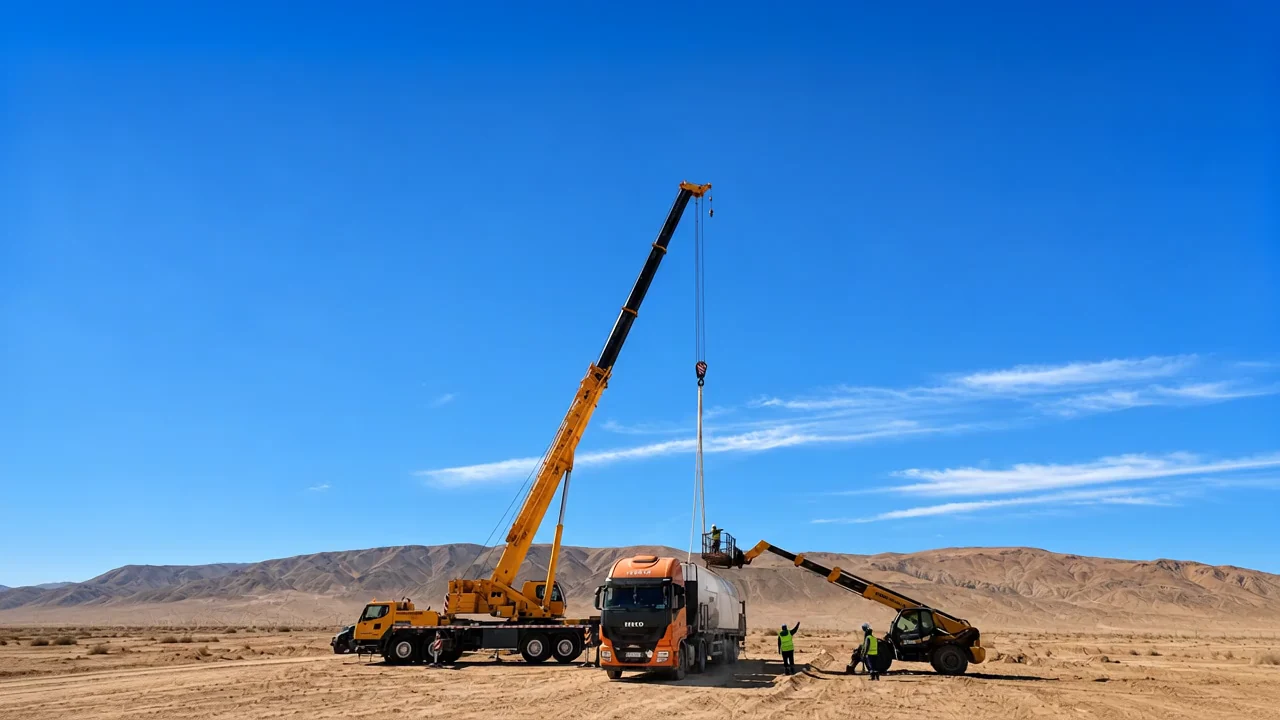
Critical operations require visible coordination.
The poster remains as a fallback if the browser limits autoplay or the MP4 takes time to start.
Where Sur adds value
Preventive support for different types of construction projects.
The preventive approach changes with scale, location and the number of companies involved. We adapt the service to the project and its actual execution stage.

Plants, expansions and assembly work
Interaction among trades, equipment, existing facilities, internal traffic and the demands of industrial operations.
Energy and linear infrastructure projects
Distributed work fronts, lifting operations, mobile equipment and concurrent contractors.
Buildings and corporate spaces
Coordination of trades, structures, work at height, installations and finishes.
Warehouses, storage facilities and operations centers
Projects where organizing access, companies, equipment and schedule continuity is especially critical.
Project evolution
Prevention changes with the project.
As the project advances, tasks, interfaces and priorities change. Select each stage to explore its preventive focus.
Site preparation
Organization of the work front, access points, enclosures, signage, surveys, initial earthworks and the conditions needed for an orderly start.
How Sur Compliance works
Occupational Health and Safety integrated into the project.
We combine technical presence, planning, document control and coordination so prevention delivers value to the project owner, contractors and work teams.
Site safety professionals
Professionals and technicians for site walks, preventive observation, work-front support and daily monitoring.
Safety Programs and technical support
Support to identify stage-specific risks, define measures, organize procedures and assist the project’s preventive framework.
Contractors and subcontractors
Preventive coordination among concurrent companies, access criteria and monitoring of responsibilities on site.
Documentation and access
Document monitoring for companies, personnel and access requirements to reduce missing items and avoidable delays before entry.
Audits and preventive site walks
Review of working conditions, detection of deviations and recommendations to strengthen field operations.
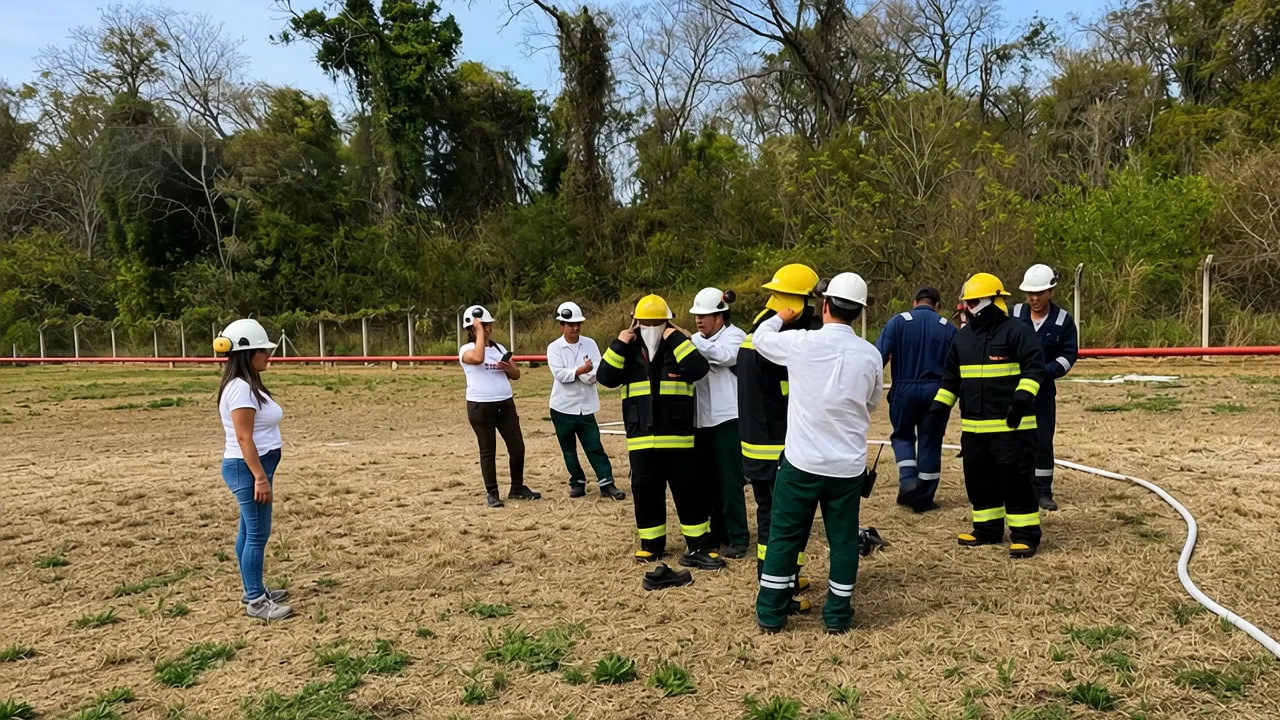
Training at the work front
Inductions, toolbox talks and specific training based on current tasks and risks.
Field focus
See the risk before it becomes an incident.
Effective prevention observes what is happening today and anticipates the next stage. That perspective becomes critical as interaction among contractors, equipment and simultaneous tasks increases.
Access
Lifting
Traffic
Height
Value for the project
An orderly project is grounded in prevention.
Greater operational order
Integrating safety helps organize tasks, stakeholders, access and work-front priorities.
Better coordination
Multiple companies working concurrently require a shared perspective to align criteria, responsibilities and execution conditions.
Greater continuity
Preventing operational and document deviations supports more predictable progress and stronger response capacity.
Preventive framework
Safety is also planned.
Construction is governed by specific regulations. Their application must be assessed according to the type of project, contractual scope, tasks, concurrent companies and current provisions.
Dec. 911/96Occupational Health and Safety Regulations for the construction industry.
Specific reference framework for preventive and protective conditions applicable to the activity.
Res. 51/97Preventive, corrective and control measures on construction sites.
Regulates mechanisms related to the Notice of Work and Safety Programs.
Res. 35/98Coordination of Safety Programs.
Covers coordination of the Unified Safety Program and verification mechanisms on projects involving subcontractors.
Res. 319/99Coordination and Occupational Health and Safety Service.
Defines obligations of the project owner or main contractor and mechanisms applicable when multiple companies are involved.
This section is informational and does not replace professional assessment of the regulatory framework applicable to each project.
Construction · Sur Compliance
Prevention does not slow the project. It helps it move forward better.
We design support around the stage, number of work fronts, contractor volume and the project’s actual dynamics.